
Biodiversity indicators for tree plantations
- plantations in South America
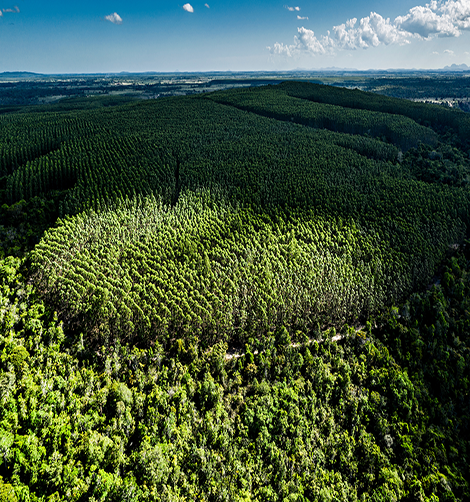
In South America, Stora Enso manages plantations in joint ventures Veracel with Suzano in Brazil and Montes del Plata with Arauco in Uruguay. South American plantations consist of a mosaic of areas for wood production (usually eucalyptus) and biodiversity conservation, which means biodiversity is preserved in dedicated set-aside areas and both areas exist side-by-side. Tree plantations are established only on already degraded lands, and no native forests are converted into plantations.
Biodiversity within the plantation area is measured with five indicators: protected areas, restored areas, water quality, water balance and species. The indicators provide measurable, science-based insights into ecosystem health and the effectiveness of our conservation actions. They help track progress over time and guide decision-making to ensure we’re progressing in our work — see why they are important.
The indicators are monitored and reported on this webpage annually. The results give us input for developing our practices and guide our biodiversity management further. We continuously assess and develop the indicators as well as invest in the research to enhance biodiversity management and conservation in the plantations.
Protected areas
50%
Protected areas have been set aside from tree plantations or other development, such as infrastructure, either voluntarily or by legal requirements for the purposes of conservation and/or restoration of biodiversity, ecosystem services, and cultural values. The indicator is reported annually as a percentage of the total land holding in Stora Enso plantation operations in Brazil.
In Brazil, protected areas include voluntary conservation areas as well as Legal Reserve and Permanent Preservation Areas. The latter two are required by law and cover ca. 30% of total protected areas. Voluntary conservation areas are established based on the development stage of native vegetation, topography, and soil type, among others. The area and quality of protected areas are monitored through satellite and/or aerial imagery as well as measurements and inventories in the field. The results are validated by national authorities and/or a forest certification body.
| 2024 | 2023 | 2022 | |
| Protected area, % of total land holding | 50% | 50% | 50% |
Restored areas
8,551 ha
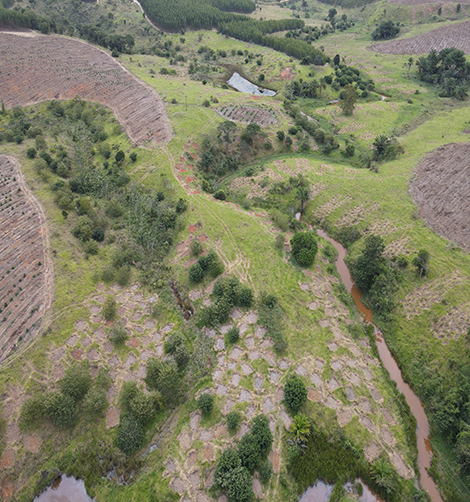
Ecological restoration aims at the recovery of an ecosystem that has been degraded, damaged, or destroyed. When our joint-venture plantations were established in Brazil in 1991, only a fraction of the original Atlantic rainforest was left in the region following extensive logging and clearing for cattle ranching and sugar cane. Since the plantations were established, Veracel has worked systematically to protect and restore local biodiversity. Restoration activities include raising and planting over 100 native tree species on degraded areas to connect isolated native forest fragments to each other and protect existing and restored areas from disturbances, such as cattle.
The results of restoration activities are monitored through aerial images as well as measurements and inventories in the field. We report both the annual and cumulative area (ha) restored by the company. The annual target is to restore 400 hectares per year on average: seasonal and climatic variation impact the conditions for restoration, which is why during some years we fall behind the target and during others we may exceed the target. In 2024, we restored 411 hectares.
| 2024 | 2023 | 2022 | Cumulative: 1994–2024 | |
| Restored area, ha | 411 | 295 | 400 | 8,551 |
Water quality in plantations
100%
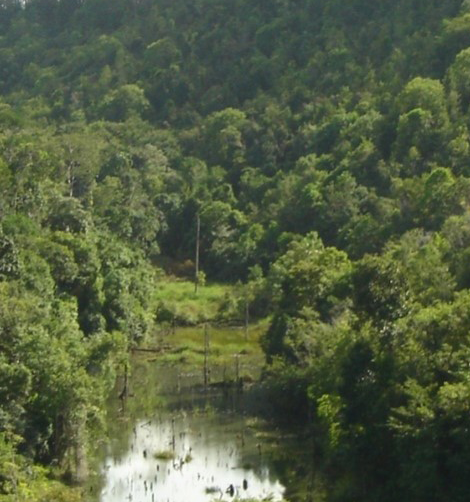
Water quality determines the conditions for aquatic flora and fauna and also influences the functioning of other ecosystems. In Brazil, water quality is monitored in eucalyptus plantations using monitored micro-catchments, and the results from planted areas are compared with those from nearby undisturbed native forests, with the objective that water quality in production areas reflects the conditions of natural ecosystems.
Both in planted areas and native forests, water samples are collected annually in the same permanent and monitored micro-catchments that are also used for water-balance monitoring in eucalyptus plantations and native forests. Sampling is conducted after agrochemicals have been applied in planted areas located within the monitored catchments. The analysis is based on six water quality parameters, including dissolved oxygen and total suspended solids. The indicator is reported annually as the percentage of plantation water samples whose quality meets the reference conditions observed in the corresponding native-forest micro-catchments.
| 2024 | 2023 | 2022 | |
| Water samples where water in planted areas is as good as in native forests, % | 100% | 100% | 100% |

Water balance in plantations
Water balance determines the water balance on plantations. In simple terms the water balance of plantations means, how water enters (e.g. rainfall), moves through, and leaves the forest (e.g. streams or evaporation). The plantations are planned so that also the production areas consist of different-aged eucalyptus trees and thus have a continuous tree coverage throughout. This uneven-aged structure helps to preserve the water balance even when mature trees are harvested.
In Brazil, water balance is monitored at the micro-catchment level, both in eucalyptus plantations and in nearby native forests. The selected micro-catchments are chosen to be representative of the average site conditions of the company’s forest area, so that they reflect the typical hydrological behaviour of the company’s operations. The cumulative water balance of a production micro-catchment is continuously compared with that of a neighbouring native forest micro-catchment. This allows the impacts of forest management and harvesting to be monitored over time, with the objective that production activities do not cause a visible change in the water balance when compared to native forest conditions. The assessment is based on the comparison of selected hydrological indicators between production areas and native forests
Precipitation (P) measures water "income”, runoff (Q) measures the water "spent" or "sent out" to streams, and evapotranspiration (ET) is the water "used" by the forest and returned to the atmosphere. The share of the water used, compared to water income (%), show that water usage in production and native forests are in balance.
| Forest type | Period (cumulative) | P (mm) | Q (mm) | ET (mm) |
| Eucalyptus | 2008–2023 | 1.302 | 106 | 1.196 (92%) |
| Native forest | 2008–2023 | 1.593 | 86 | 1.505 (96%) |
)
Vulnerable, endangered, and endemic species
Species can become vulnerable or endangered due to habitat loss, climate change, invasive species, and over exploitation. Endemic species, such as some birds in the Atlantic rainforest in Brazil, are found only in a specific region and are particularly important for conservation and restoration. In Brazil, vulnerable, endangered, and endemic species are monitored in the High Conservation Value Areas* on the company lands with different methods to identify, validate, and track their presence.
The reporting interval for trees is 4 years and for birds and mammals is 3 years. Monitoring is done annually in different parts of the protected area in a way that the whole area is covered in 3-4-year intervals. Due to the changing monitoring location, seasonal changes and the fact that animals move around, the results may vary slightly year-on-year, but monitoring gives us valuable indication of the presence of these species. We report the share of vulnerable and endangered species out of the total number of tree, bird and mammal species identified as well as the share of endemic species within them.
*High Conservation Value areas are areas that are deemed protected also by FSC certification criteria. In the plantations, Stora Enso and its partners protect voluntarily also other areas than those defined by forest certification standards.
| Vulnerable and endangered | 2024 | 2023 | 2022 |
| Trees | 9% (out of which 15% endemic) | 10% (out of which 0% endemic) | 9% (endemic not reported in 2022) |
| Birds | 4% (93%) | 5% (95%) | 4% (100%) |
| Mammals | 22% (75%) | 22% (75%) | 19% (80%) |
Protected areas
42%
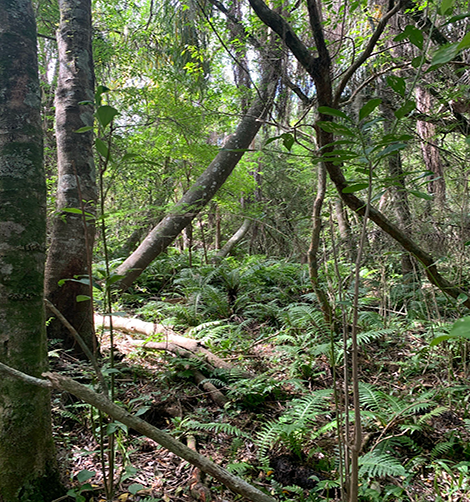
Protected areas have been set aside from tree plantation development either voluntarily or by legal requirements for the purposes of conservation and/or restoration of biodiversity, ecosystem services, and cultural values. The indicator is reported annually as a percentage of the total land holding in Stora Enso plantation operations in Uruguay.
In Uruguay, protected areas include voluntary conservation areas and areas conserved due to national legislation, such as wetlands and native forests. The area and quality of High Conservation Value Areas* are monitored through satellite and/or aerial images and measurements and inventories in the field.
* High Conservation Value areas are areas that are deemed protected also by FSC certification criteria. In the plantations, Stora Enso and its partners protect voluntarily also other areas than those defined by forest certification standards.
| 2024 | 2023 | 2022 | |
| Protected area, % of total land holding** | 42% | 42% | 42% |
** Excludes leased lands with no protected areas managed by Stora Enso plantation operations as they are excluded from lease agreements.
)
Restored areas
220 ha
Ecological restoration aims at the recovery of an ecosystem that has been degraded, damaged, or destroyed. In Uruguay, the plantations of our joint-venture Montes del Plata have been established on degraded pasturelands which have originally been native grasslands (pampas) and native forests found mainly in river valleys.
The company restores degraded native grasslands and forests by controlling invasive species and managing cattle with fencing. The company also re-introduces threatened native animal species to the protected areas. The results of the restoration activities are monitored through aerial images as well as measurements and inventories in the field. We report both the annual and cumulative area (ha) restored by the company.
| 2024 | 2023 | 2022 | Cumulative: 2009–2024 | |
| Restored area, ha | 47 | 0 | 25 | 220 |
Water quality in plantations
100%
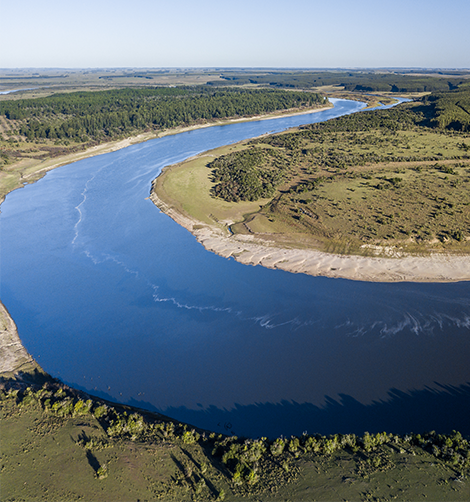
Water quality determines the conditions for aquatic flora and fauna and also influences the functioning of other ecosystems. In Uruguay, water quality is monitored in six catchments (watersheds) located in areas where eucalyptus plantations and biodiversity management areas are present. Two water samples are collected four times per year in each catchment, in accordance with the requirements of the national environmental authority (DINACEA). DINACEA assesses water quality based on six parameters: turbidity, pH, dissolved oxygen, nitrate (NO₃), biochemical oxygen demand over five days (DBO₅), and total phosphorus. The reported water quality percentage reflects the proportion of samples that meet the acceptable limits across all six parameters.
It is important to note that the monitored catchments are not exclusively managed by Montes del Plata. They include several land users within the same catchment, such as agricultural activities and other landowners. Consequently, the monitoring results reflect the combined situation of all land uses within the catchment and do not represent the isolated impact of Montes del Plata’s forest management. Because the company represents only a limited share of the total land area within these catchments, the contribution of Montes del Plata to the measured water quality parameters cannot be separated from other land uses. For this reason, and considering the company’s relatively small proportion of land ownership in the monitored catchments, the water quality performance is reported as 100% compliant at company level.
To improve the representativeness of the results for Montes del Plata’s own operations, a harmonised monitoring approach will be implemented from 2026 onwards. Water quality sampling will be progressively shifted to isolated micro-catchments where Montes del Plata is the only land user. This will allow the results to directly reflect the effects of the company’s management practices in eucalyptus plantations and in set-aside areas with native pasture and native vegetation, and to better distinguish the company’s operational performance from external land-use influences.
| 2024 | 2023 | 2022 | |
| Water samples compliant with national water quality requirements, % | 100% | 100% | 100% |
Learn more about water quality
Vulnerable, endangered, and endemic species
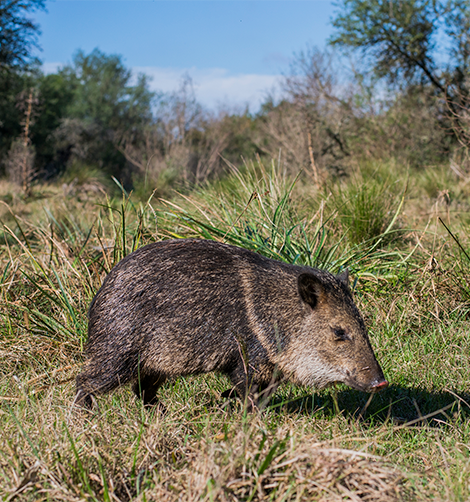
Species can become vulnerable or endangered due to habitat loss, climate change, invasive species, and overexploitation. Endemic species are found only in a specific region and are particularly important for conservation and restoration.
In Uruguay, presence of vulnerable, endangered, and endemic species is monitored in the High Conservation Value Areas* in the company lands by using various methods, such as camera imagery, experts’ field observations in the areas, and audio recordings to identify species by their sounds.
The indicator is reported annually as a share of vulnerable and endangered species out of the total number of tree, bird and mammal species identified. In addition, we report the share of endemic species out of vulnerable and endangered species.
* High Conservation Value areas are areas that are deemed protected also by FSC certification criteria. In the plantations, Stora Enso and its partners protect voluntarily also other areas than those defined by forest certification standards.
| Vulnerable and endangered | 2024 | 2023 | 2022 |
| Trees | 0% (of which 0% endemic) | 0% (of which 0% endemic) | 0% (0%) |
| Birds | 4% (0%) | 5% (0%) | 8% (0%) |
| Mammals | 12% (0%) | 11% (0%) | 5% (0%) |
Biodiversity education hub

Protected areas
In fast-growing tree plantations, the overall land use model and wood production systems resemble more agriculture than forestry. The landscape consists of mosaic of tree plantations and protected areas: short-rotation plantations are only established on areas which have been degraded by land use prior to plantation establishment, such as grazing in Brazil, whereas remaining native ecosystems are set aside for conservation of biodiversity.
These protected areas are crucial for guarding native habitats, ecosystems, and nature values. Special focus is put on safeguarding biodiversity and ecosystem services, conserving native species and their habitats, and preserving cultural heritage and traditional knowledge of indigenous peoples and local communities. Protected areas are also valuable hubs for scientific research, environmental education, and ecotourism.

Restored areas
Ecological restoration is an important action to revive natural ecosystems in areas that have been degraded or damaged by previous land use. Restoration can happen in many ways – for example, through active planting or by removing external factors, such as invasive species or human disturbance, that hinder the recovery of nature on its own.
Stora Enso tree plantation joint-ventures are established in areas which have already been heavily degraded due to intense human influence, such as grazing, over a long time. With their mosaic structures, sustainably managed tree plantations help the recovery of remaining native habitats by managing biodiversity in dedicated areas, stabilizing the land use in the whole mosaic area, and removing external pressures, such as grazing or logging. In addition, the plantation companies actively plant native tree species and reintroduce native fauna to restore the structure and functions of the degraded ecosystems.

Water quality
Water is an essential part of functioning ecosystems. Water quality determines the ecological conditions for aquatic species, with significant influence also on life in the terrestrial ecosystems.
It is essential to protect water resources and understand the hydrological impacts of tree plantations. Plantation management practices, such as soil preparation, harvesting, and agrochemicals may impact water quality unless appropriate mitigation methods are in place. Monitoring of water quality is important to ensure that adverse effects to water quality and consequent impacts to biodiversity are avoided.

Water balance
This is important in three main ways:
- Regulating water flow: Remaining forest regulates water flow, such as slowing down runoff after rainfall and allowing more water to infiltrate the soil.
- Steady water use: Trees absorb water from the soil and release it into the atmosphere through evapotranspiration. Without remaining forest, evapotranspiration would decrease, leading to potential flooding and disrupting natural water flow.
- Stable ecosystems: Uneven-aged forests provide more stable habitats for wildlife and maintain soil structure. Healthy soils and ecosystems contribute to better water retention and filtration, improving water quality in the catchment.
By monitoring water balance through precipitation, runoff, and evapotranspiration, we can understand how much water is stored in the forest, how forests use water throughout the year, and how forests affect water availability downstream. This helps to manage water resources, predict the impact of land use or changes in climate, and ensure that native forests and production areas support ecosystems and communities.

Species
Loss of native ecosystems, such as the Atlantic rainforest in Brazil and grasslands (pampas) in Uruguay, have risked the survival of several species. Their protection is of great importance for global biodiversity. Stora Enso tree plantation joint-ventures are established in areas which have been heavily degraded due to intense human influence over long time span. Sustainably managed tree plantations consist of mosaic land use, with areas for biodiversity management, and can thus help the recovery of vulnerable and endangered species by protecting and restoring their habitats.
When vulnerable and endangered species are found in an area, it indicates that their living conditions have degraded. However, the presence of these species can also indicate success of restoration actions in areas where native ecosystems have been lost, when the species are found returning to their former habitats or the decline of their population ceases. Therefore, it’s important to monitor the populations, presence, and appearance/movements of these species. It’s also a valuable indicator to monitor the success of the restoration and conservation actions.